Description
Introduction
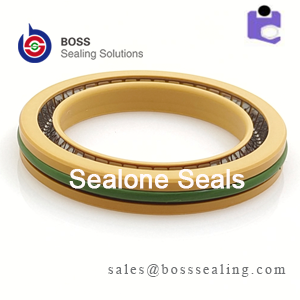
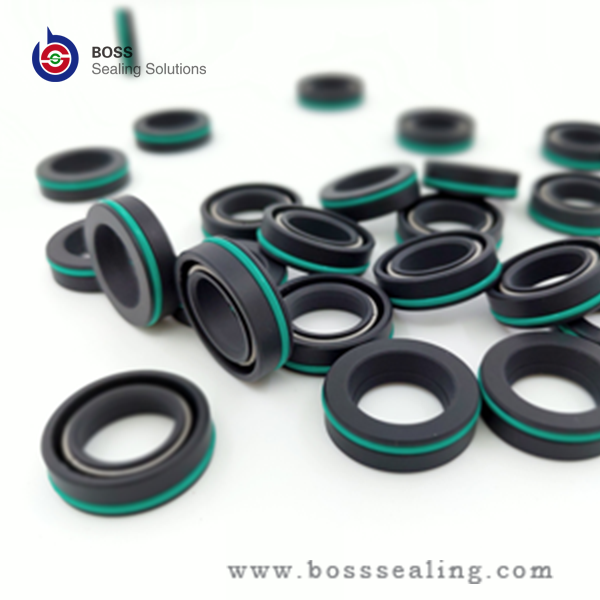
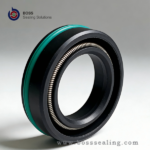
A spring energized seal, also known as a spring-energized PTFE seal or spring-energized O-ring substitute, is a high-performance sealing device designed for extreme conditions where conventional rubber seals fail. It is particularly suitable for vacuum applications, including high and ultra-high vacuum systems.
Core Structure and Working Principle
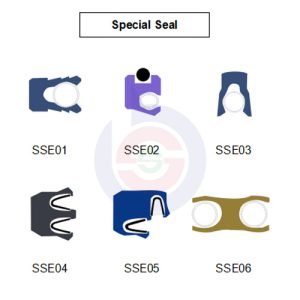
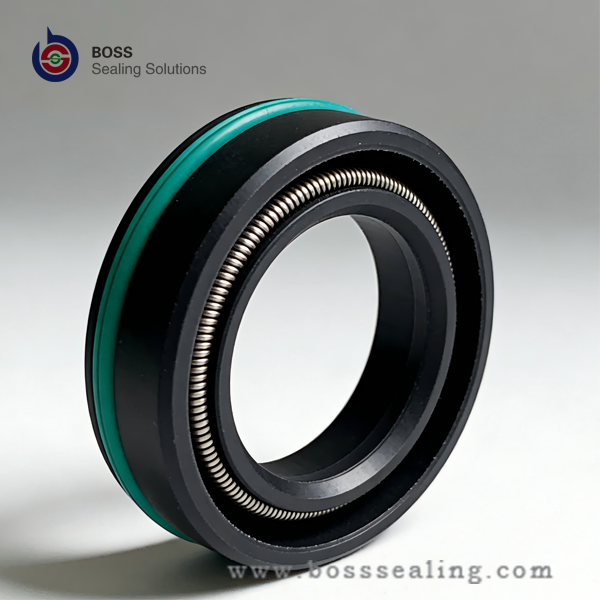
The seal consists of two main parts: a metal spring and a polymer jacket, typically made of PTFE or other high-performance plastics. The jacket is shaped like a “U” or “C”, and the spring is inserted inside.
In static vacuum service, the spring provides an initial preload force that pushes the sealing lips against the metal gland surfaces, creating a reliable seal even under negative pressure or full vacuum.
When system pressure rises, the pressurized fluid enters the cavity behind the spring and adds to the spring force, further energizing the seal – the higher the pressure, the tighter the seal.
Over time, the spring continuously compensates for wear of the polymer jacket, ensuring a long service life.
Key Advantages for Vacuum Applications
Extremely low outgassing – PTFE and other engineering plastics have inherently low outgassing rates, making them ideal for ultra-high vacuum systems and avoiding contamination issues common with elastomers.
Excellent chemical resistance – PTFE is inert to almost all chemicals except molten alkali metals and high-temperature fluorine gas.
Wide temperature range – PTFE-based seals operate from -200°C up to +260°C. Special materials like PEEK can extend the range to -270°C to +315°C.
Low friction and stick-slip free – PTFE has a very low coefficient of friction (0.02-0.1). Combined with a constant spring force, the seal moves smoothly even at very low speeds without stick-slip.
Superior sealing performance – Helium leak rates below 1×10⁻⁹ Pa·m³/s are achievable in static vacuum conditions.
Materials and Spring Types
Polymer Jacket Materials:
Virgin PTFE – basic material, good chemical resistance, low friction.
Filled PTFE (with carbon, glass fiber, graphite, etc.) – improved wear resistance, compressive strength, and thermal conductivity.
PEEK – higher temperature capability (above 300°C), high mechanical strength, suitable for extreme high temperature and pressure.
Other special plastics – PCTFE, UHMW-PE, Polyimide, etc. for specific requirements.
Spring Materials:
Stainless steel (301, 304, 316L) – common choice, good elasticity and corrosion resistance.
Nickel alloys (Inconel, Hastelloy) – excellent high-temperature and corrosion resistance.
Cobalt alloys (Elgiloy) – superior elasticity, corrosion resistance, and fatigue strength.
Spring Configurations:
V‑spring – cantilever design, medium to high load, for reciprocating motion.
U‑spring – higher initial load, for face seals or static/low speed applications.
Helical spring – large deflection range, for large diameters or low pressure.
Slant coil spring (C‑type) – constant load in both axial and radial directions, for multi-directional sealing.
Typical Technical Specifications for Vacuum
Achievable vacuum level: High vacuum (10⁻⁵ Pa) to ultra-high vacuum (10⁻⁷ Pa).
Temperature range: -200°C to +260°C (PTFE) / up to +315°C (PEEK).
Pressure range: Vacuum to 80 MPa (spring provides initial seal at zero pressure).
Speed capability: Reciprocating up to 2 m/s; rotary up to 20 m/s.
Standard groove: Can be designed to AS 568A O-ring gland dimensions for easy retrofit.
Typical Applications
Semiconductor manufacturing – PVD, CVD, etching chambers requiring high cleanliness and plasma resistance.
Research equipment – SEM, TEM, mass spectrometers, surface analysis instruments.
Aerospace – hydraulic systems, fuel systems, valves in space environments.
Food and medical – PTFE is biocompatible and FDA compliant.
Installation Notes for Vacuum Service
The sealing groove surface should have a fine finish, recommended Ra ≤ 0.4 μm.
For ultra-high vacuum, no grease or oil should be used; the PTFE jacket is self-lubricating.
Ensure no burrs or scratches on the gland or the seal before installation.
The open side of the U‑shaped jacket must face the pressure source or the fluid side.
Summary
The spring energized seal offers a unique combination of low outgassing, wide temperature capability, chemical inertness, and long life. It is the preferred sealing solution for demanding vacuum systems where traditional elastomer seals are not adequate.
Any request for your machine, please contact us:
Email: sales@bosssealing.com
WhatsApp:+86 13392768056